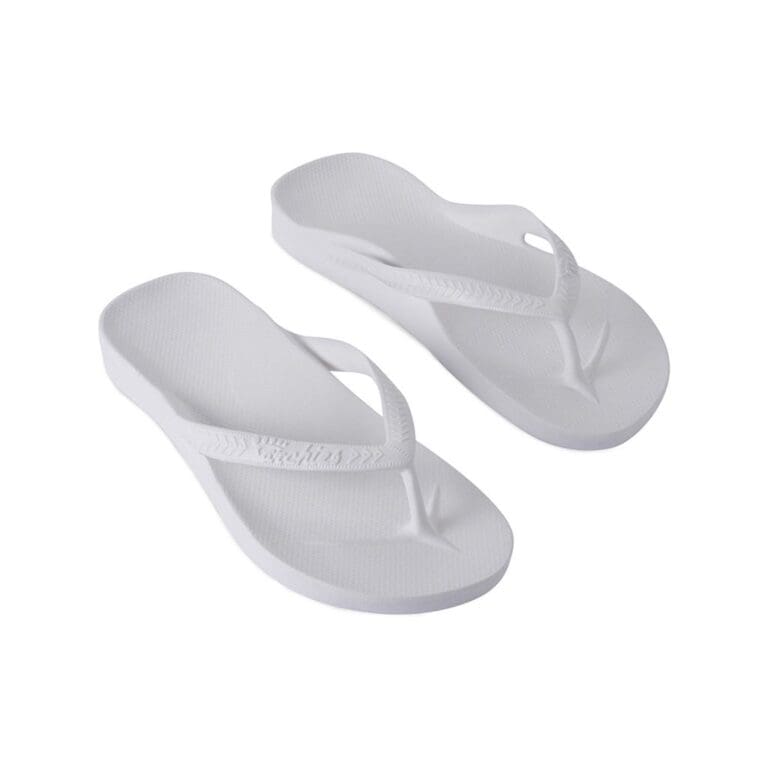
Foot Care Products for Hiking: Keeping Your Feet Trail-Ready
Feet are the foundation of every hike, yet they’re often the most neglected part of trip preparation. Blisters, hot spots, fungal infections, and general foot fatigue can turn an enjoyable trek into a miserable slog—or force an early end to a trip altogether. Fortunately, a relatively small kit of foot care products, used correctly before, during, and after a hike, can prevent most of these problems.
Socks: The First Line of Defense
Good sock choice is arguably the single most important foot care decision a hiker makes. Cotton socks should be avoided entirely, as cotton absorbs and holds moisture, which softens skin and dramatically increases the likelihood of blisters. Instead, hikers should choose socks made from merino wool or synthetic blends (such as nylon and polyester with spandex for stretch). Merino wool is particularly valued because it wicks moisture away from the skin, regulates temperature in both hot and cold conditions, and naturally resists odor-causing bacteria.
Many experienced hikers also use a liner sock system: a thin, moisture-wicking liner sock worn underneath a thicker cushioned hiking sock. The idea is that friction occurs between the two sock layers rather than directly against the skin, significantly reducing blister risk. Brands like Injinji also make toe-sock liners, which separate each toe to prevent skin-on-skin friction and moisture buildup between toes—a common site for both blisters and fungal infections.
Blister Prevention Products
Blisters form when repeated friction causes the outer layers of skin to separate, and fluid fills the resulting pocket. Prevention is far easier than treatment, so several products exist specifically to stop blisters before they start.
Moleskin, a soft adhesive-backed fabric, has long been a hiking staple. It can be cut to size and applied directly to areas prone to friction—heels, toes, or the balls of the feet—before a hike even begins. Similarly, blister prevention tape (such as kinesiology tape or specialized products like Leukotape) can be applied to known hot spots to create a slick, low-friction barrier over the skin.
Anti-friction balms and sticks, such as Body Glide or Squirrel’s Nut Butter, are another popular option. These are applied directly to the skin before hiking and create a slippery layer that reduces friction between the foot and sock or shoe. They’re especially useful for hikers who know their trouble spots from experience, such as the back of the heel or the space between toes.
For hikers who feel a hot spot developing mid-hike—a warm, reddened area that precedes a full blister—carrying a small blister kit is essential. This should include adhesive moleskin or specialized blister pads (such as Compeed, which contains a hydrocolloid gel that cushions and promotes healing), alcohol wipes for cleaning the area, a small pair of scissors, and safety pins or a sterilized needle for draining blisters that have already formed, along with antibiotic ointment and adhesive bandages.
Footwear Fit and Support Aids
Beyond socks and blister products, the footwear itself plays a major role in foot health, and several products can improve fit and comfort. Insoles or footbeds—such as those from Superfeet or Sole—provide additional arch support and cushioning beyond what comes stock in most hiking boots or shoes. These are particularly helpful for hikers with flat feet, high arches, or those carrying heavy packs over long distances, as proper support reduces fatigue and prevents overpronation that can lead to knee and ankle strain as well as foot pain.
Toe protectors or gel toe caps can help hikers who experience toenail bruising or “black toenail” on steep descents, where the foot slides forward inside the shoe. Properly fitted footwear is the real fix here, but these products offer added cushioning as a supplementary measure.
Moisture and Odor Control
Damp feet are more prone to blisters, fungal infections like athlete’s foot, and general discomfort. Foot powders and antiperspirant sprays designed for feet (such as those containing aluminum chloride or talc-based moisture absorbers) help keep feet dry throughout the day, particularly in hot weather or on multi-day backpacking trips where washing isn’t always possible. Applying powder to feet and inside socks before setting out can meaningfully reduce moisture buildup.
For extended trips, packing a spare pair of dry socks to change into midday—especially after fording a stream or during a lunch break—can make a significant difference in comfort and blister prevention. Some hikers also use antifungal powders or sprays containing miconazole or tolnaftate as a preventive measure against athlete’s foot, particularly if they’re prone to fungal infections or hiking in humid climates.
Post-Hike Recovery Products
Foot care doesn’t end when the hike does. At the end of each day, inspecting feet for hot spots, blisters, or signs of irritation allows early treatment before problems worsen on subsequent days. Foot soaks with Epsom salts can help reduce inflammation and soothe tired muscles, while moisturizing foot creams (particularly those containing urea or shea butter) help repair dry, cracked skin—common after days of hiking in boots.
For hikers dealing with sore arches or plantar fasciitis-type pain, a travel-sized foot roller or a tennis ball for rolling out the sole of the foot can relieve tension in the plantar fascia. Compression socks, worn in the evening or overnight, can also help reduce swelling and promote circulation after a long day on the trail.
Proper foot care on the trail relies on a combination of prevention and preparedness rather than any single product. Moisture-wicking socks form the foundation, supplemented by anti-friction balms, blister prevention tape, and quality insoles to address fit and comfort. A small blister treatment kit ensures that problems can be managed quickly before they escalate, while moisture control products and post-hike recovery routines round out a comprehensive approach. Hikers who invest a little time and a modest amount of gear into foot care are rewarded with fewer interruptions, less pain, and ultimately more enjoyable time on the trail. As the old hiking adage goes, take care of your feet, and they’ll take care of you.