
Cold Injury to the Foot When Hiking: Chilblains, Frostbite, and Trench Foot
Hiking exposes the feet to an environment that is simultaneously the most heavily stressed part of the body and the most vulnerable to cold. Feet operate close to the ground, where cold air pools, snow accumulates, and moisture from streams, bogs, and perspiration collects inside boots. They are also at the end of the circulatory line, meaning that when the body constricts peripheral blood vessels to preserve core temperature, the toes are among the first tissues to be sacrificed. Cold injury to the foot is not a single condition but a spectrum, ranging from the uncomfortable but reversible chilblains, through the serious tissue damage of frostbite, to the insidious and historically devastating trench foot. Understanding how each develops, how they differ, and how they are prevented is essential knowledge for anyone spending time on cold, wet trails.
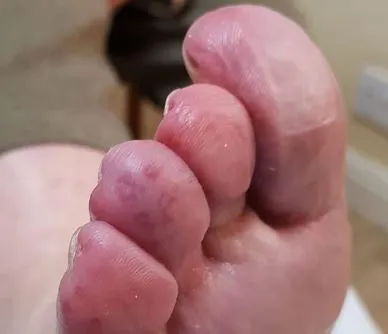
Chilblains, medically known as pernio, are the mildest of the three conditions. They are a non-freezing cold injury caused by prolonged exposure of bare or poorly insulated skin to cool, damp conditions—typically temperatures between freezing and about 15°C. When the skin is chilled, blood vessels near the surface constrict; when the skin is subsequently warmed, these vessels may leak fluid into surrounding tissues, producing the characteristic red or purple, itchy, swollen lesions on the toes. Chilblains are more common in people with poor circulation, in women, and in those who wear tight footwear that restricts blood flow. Hikers often encounter them in shoulder seasons, when a walk involves cold, wet grass or stream crossings followed by a warm bothy or car. Though intensely uncomfortable—itching, burning, and sometimes blistering—chilblains rarely cause permanent damage. Management involves gradual rewarming, keeping the feet dry and warm, and avoiding sudden exposure to intense heat such as a radiator or hot bath, which can worsen the inflammatory response.
Frostbite is the most severe cold injury and occurs when tissue actually freezes. In the foot, it typically affects the toes and the distal forefoot. The process begins with frostnip, a superficial freezing characterised by numbness, pallor, and a prickling sensation, which is fully reversible on rewarming. If exposure continues, ice crystals form within cells and in the extracellular fluid, causing direct cellular damage and, more importantly, vascular injury. Blood vessels constrict, plasma leaks into the tissues, and the blood becomes sludgy, leading to microthrombi that cut off circulation. The result is hypoxia and eventually necrosis of the affected tissue. Clinically, frostbite is classified by depth: first-degree (superficial, with numbness and erythema), second-degree (blistering with clear fluid), third-degree (blisters with blood, indicating deeper damage), and fourth-degree (full-thickness necrosis extending to muscle and bone). The paradox of frostbite is that the affected foot may feel warm and comfortable as it becomes numb, and the true extent of injury only becomes apparent days later when blisters and a clear line of demarcation form. Rewarming should be rapid, using warm water at around 37–39°C, and must never be followed by refreezing, which causes catastrophic additional damage. Thawed feet should be kept clean, dry, elevated, and protected from pressure, and the hiker should seek medical care urgently.
Trench foot, also called immersion foot, occupies a middle ground: it is a non-freezing cold injury, but far more serious than chilblains. It develops when the foot is exposed to cold and wet conditions for prolonged periods—typically many hours to days—without the opportunity to dry or warm. The name derives from the waterlogged trenches of the First World War, where soldiers stood for days in cold mud, but backpackers, fell runners, and anyone caught in sustained rain or forced to wade through boggy terrain can suffer the same fate. Prolonged dampness macerates the skin, damaging its barrier function, while cold causes sustained vasoconstriction that starves the tissues of oxygen. The early signs are deceptively mild: the foot feels cold, heavy, and numb—the classic “wooden foot” sensation—and may be pale or mottled. As the condition progresses, the foot becomes swollen, painful, and blistered, and in severe cases the skin and deeper tissues die, leading to gangrene and amputation. Unlike frostbite, trench foot does not require freezing temperatures; it can occur at 5–10°C if the foot stays wet long enough. Recovery is slow, often involving weeks of pain, hyperhidrosis, and sensitivity to cold, and some sufferers experience long-term neuropathy and increased susceptibility to further cold injury.
Prevention is the same for all three conditions and depends on a few disciplined habits. Keeping the feet dry is paramount: waterproof boots and gaiters help, but perspiration alone can soak a sock, so carrying spare socks and changing them at lunch or after a river crossing is one of the simplest and most effective measures. Socks should be wool or synthetic, never cotton, which holds water against the skin. Boots should fit well without being tight, since constriction impairs circulation. Hikers should keep moving to generate heat, avoid sitting still in cold, wet conditions, and be alert to warning signs—numbness, pallor, tingling, or the sensation of walking on blocks of wood. Alcohol and smoking should be avoided in the cold, as both impair circulation. Perhaps most importantly, hikers should be willing to turn back or cut a day short when conditions deteriorate; the majority of cold injuries result from continuing when the warning signs were already present.
The cold-injured foot is a reminder that the extremities are the body’s first casualty in any cold challenge. Chilblains, frostbite, and trench foot differ in mechanism and severity, but they share a common cause: prolonged exposure of vulnerable tissue to cold and moisture, compounded by poor footwear and poor judgement. For hikers, the lesson is straightforward. Warm, dry feet are not a comfort to be sacrificed for the summit; they are a safety system. Protecting them with good equipment, frequent sock changes, awareness of early symptoms, and the humility to retreat when necessary is the difference between a memorable walk and a life-changing injury.