
Managing Haglund’s Deformity in Hiking Shoes
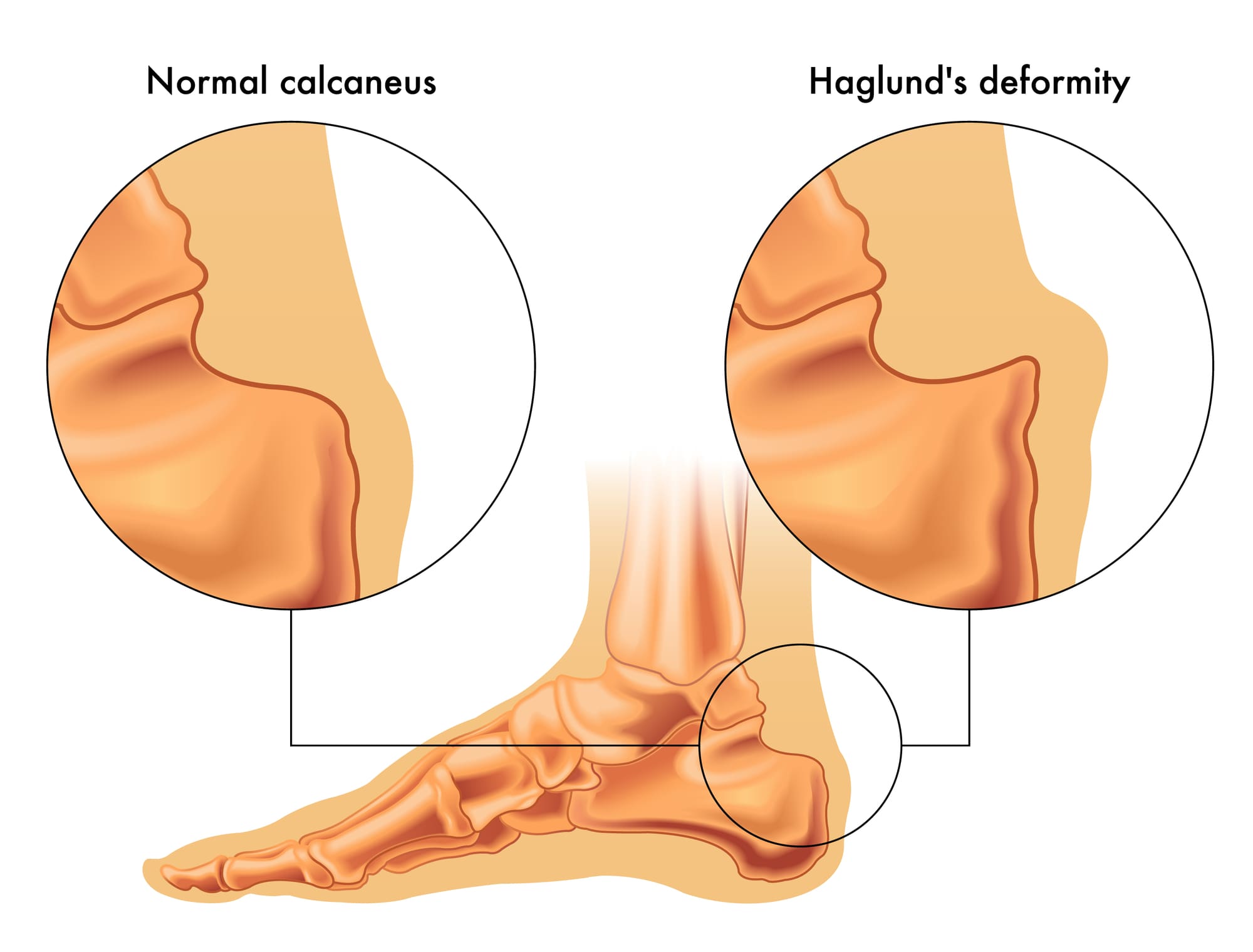
Haglund’s deformity presents a particular challenge for hikers. The condition, characterized by a bony enlargement on the posterosuperior aspect of the heel bone, transforms what should be a simple act—putting on a boot and hitting the trail—into a source of friction, pressure, and persistent pain . Unlike casual footwear, hiking shoes must contend with rigid heel counters, steep terrain, and the cumulative load of miles underfoot. Managing this condition while remaining active requires a strategic approach that addresses both the shoe itself and the biological realities of the heel.
The fundamental problem is mechanical. Haglund’s deformity creates a prominence where the Achilles tendon inserts into the calcaneus. When a shoe’s heel counter presses against this bump, it irritates the overlying bursa and tendon, producing inflammation that can range from mild discomfort to debilitating pain . For hikers, the challenge is compounded because hiking footwear is designed with stiff heel counters for stability on uneven ground—precisely the feature that aggravates a Haglund’s bump. The solution, therefore, lies not in avoiding hiking but in systematically modifying the interface between heel and shoe.
The most critical intervention is selecting or modifying the heel counter. Research and clinical experience consistently point to the same conclusion: rigid, high heel counters worsen symptoms, while softer, lower, or absent counters provide relief . For hikers unwilling to abandon closed footwear, this means seeking boots or shoes with a soft, padded collar and a heel counter that dips below the bony prominence rather than pressing directly upon it. Some hikers have resorted to more radical measures—cutting slits in the heel counter or even removing sections of it—to eliminate pressure points entirely . While effective, such modifications compromise the shoe’s structural integrity and should be considered a last resort before custom alterations or specialist footwear.
Heel lifts represent a second line of defense. By elevating the heel inside the shoe, a lift serves two purposes: it raises the Achilles insertion away from the counter’s rim, and it slightly shortens the Achilles tendon, reducing tension on the inflamed area . For hikers with high arches—a common predisposing factor for Haglund’s—heel lifts can be particularly beneficial . The trade-off is that raising the heel alters gait mechanics and can reduce stability on technical terrain, so lifts should be introduced gradually and tested on shorter hikes before committing to a multi-day trip.
Padding and strapping offer a complementary strategy. Applying fleecy web or semi-compressed felt over the bump creates a buffer that deflects pressure away from the most sensitive tissue . This approach is especially valuable during flare-ups when even well-fitting shoes become intolerable. For hikers, a simple precut heel pad or a strip of moleskin applied directly to the skin or the shoe’s interior can mean the difference between completing a planned hike and turning back at the trailhead.
Beyond the shoe, managing the biological contributors to Haglund’s syndrome is essential. A tight Achilles tendon is both a cause and a consequence of the condition; stretching exercises help relieve tension and restore flexibility . Eccentric heel drops—lowering the heel slowly off a step—have demonstrated efficacy in reducing pain and improving function in Haglund’s patients, particularly when combined with other conservative measures . Icing after hikes reduces acute inflammation, and nonsteroidal anti-inflammatory drugs can manage pain during flare-ups . These interventions do not shrink the bony prominence, but they address the soft-tissue inflammation that produces most of the symptoms.
Activity modification deserves honest consideration. Hiking on consecutive days, increasing mileage abruptly, or tackling steep, rocky terrain all increase load on the heel. Pacing, rest days, and gradual progression allow the tissues to adapt without provoking chronic inflammation . For some hikers, switching to trekking poles reduces the force transmitted through each step, offering a mechanical advantage that spares the heel.
When conservative measures fail, surgical options exist but carry significant recovery timelines. Endoscopic calcaneoplasty and Zadek osteotomy can remove or reposition the bony prominence, with good functional outcomes reported in the literature . However, surgery typically requires months of rehabilitation before returning to hiking, making it a last resort rather than a first-line strategy.
In practice, managing Haglund’s deformity in hiking shoes is an exercise in informed compromise. The ideal shoe—soft heel counter, accommodating fit, perhaps with a heel lift—may not exist off the shelf, but the combination of careful shoe selection, targeted padding, consistent stretching, and honest attention to activity levels allows most hikers to remain on the trail. The condition is manageable, not curable, and success lies in respecting the heel’s limits while refusing to let them dictate an end to the hike.